Iowa Supreme Court case: Iowa OB-GYN used own sperm to artificially inseminate women in 1950s
DES MOINES, Iowa (KCRG) - A lawsuit claims the former head of the University of Iowa OB-GYN department secretly used his own sperm to get at least ten patients pregnant.
The children only learned of the fertility fraud decades later.
One brother and sister took an ancestry.com DNA test and discovered the father they grew up with wasn’t their biological father.
Instead, their father was University of Iowa Health Care’s Dr. John Randall, who was the head of the OB-GYN department in the 1950s.
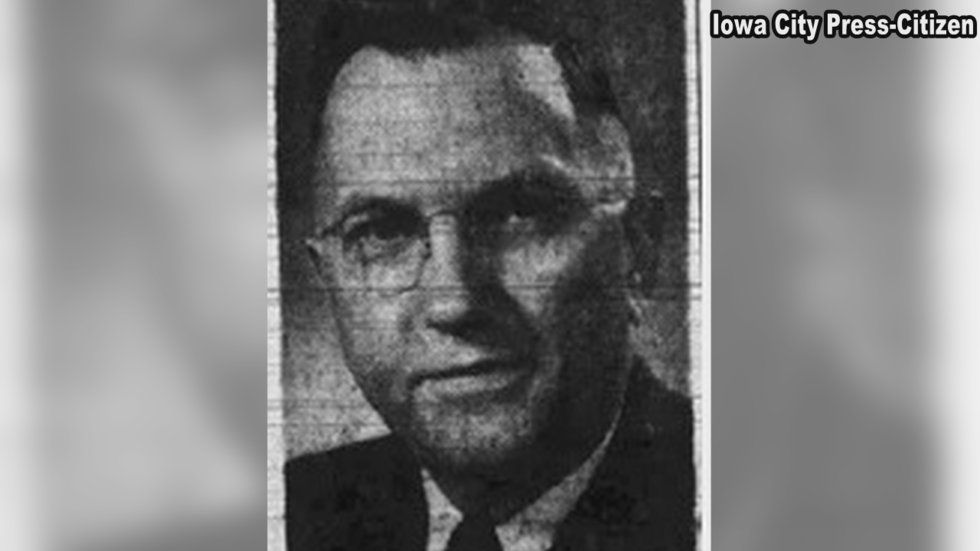
“It was at that time they discovered for the first time that Dr. John Randall was in fact their biological father,” the attorney representing the siblings, Karen Lorenzen, said. “Not the dad that they grew up with, but the physician who had assisted their parents with their fertility issues,” Lorenzen said.
Iowa’s Fraud in Assisted Reproduction Act became law in 2022 as a way to hold medical employees accountable when reproductive measures are changed without the parents' consent.
But now the Iowa Supreme Court has to decide if the law can be used to penalize past actions.
Doctor John Randall died in 1959.
“These children were in their 60s when they discovered that their father that they knew was not their biological father,” Lorenzen said.
Lorenzen said the siblings who resulted from the fraud deserve compensation because the law has no statute of limitations.
The advocacy group ‘Right to Know’ had a hand in helping the Act get passed, and its founder said the law was intended to help all victims of fraud going forward, but especially providing closure to ones from the past.
“It will prevent some of the future harm going forward, but really more than half of it was about helping the people who had already been harmed,” Kara Rubinstein Deyerin said.
However, state attorneys didn’t interpret the Act this way because those children were born before the law existed.
“I mean it sort of sounds like the legislature intended, they may not have succeeded, but they intended to be able to reach past conduct such as Dr. Randall’s don’t you think?” Supreme Court Justice Edward Mansfield asked state attorneys.
“I don’t think the legislature intended to reach past conduct,” Iowa’s Solicitor General, Eric Weissan, said.
The Supreme Court has heard the arguments in the case, but it will take a few weeks for them to issue their final ruling.
Copyright 2025 KCRG. All rights reserved.